Loading Apex-OS…
Hang tight, we’re spinning up the experience
Loading Apex-OS…
Hang tight, we’re spinning up the experience
A look at the next compute leap and what it means for local businesses running transactional AI workloads.
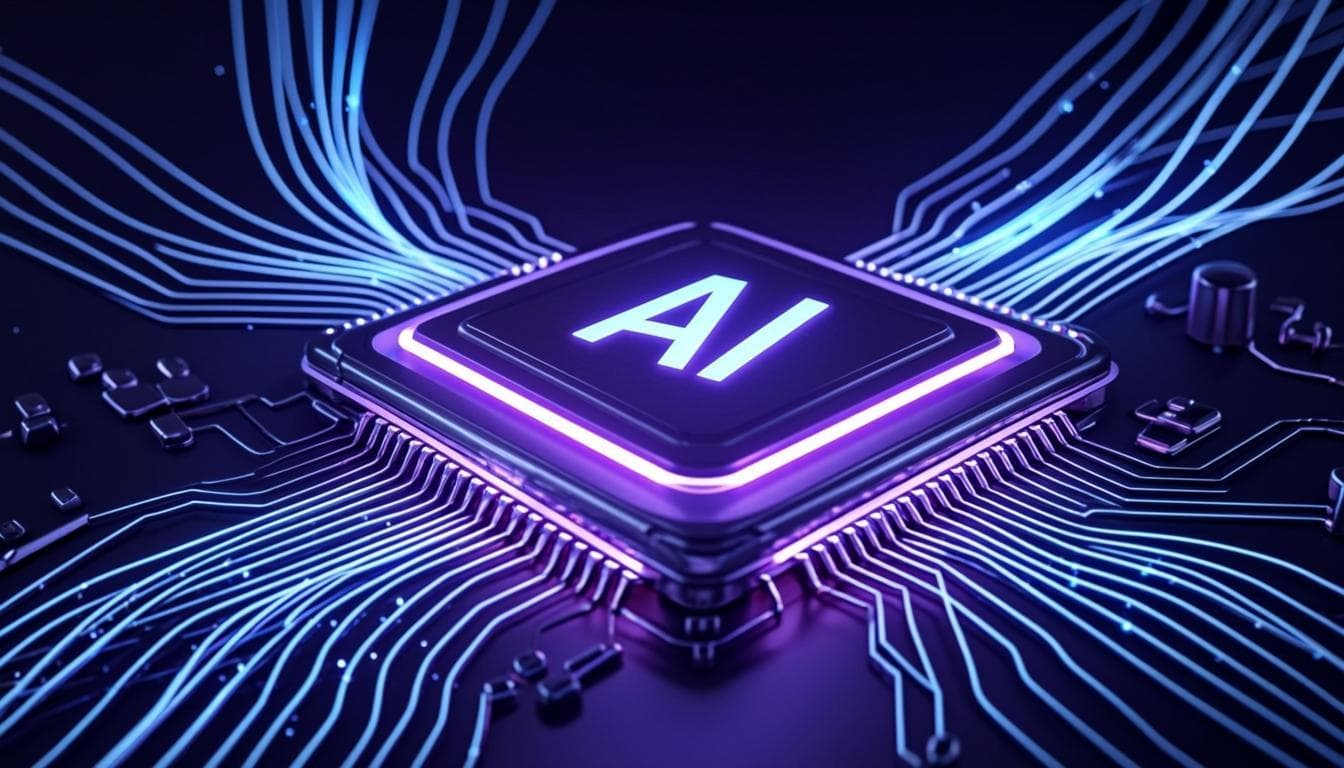
The headlines are loud: a powerful AI model has reportedly switched to running on quantum-classical hybrid infrastructure. What does that actually mean for a local business running booking portals and e-commerce checkouts?
Short answer: not much, yet. Transactional AI workloads — classify a support ticket, generate an invoice, suggest a product — are small, fast, and classical. They don’t need quantum compute. The bottleneck for these workloads is integration quality, not raw model power.
Where quantum matters. The real near-term impact is in optimisation: routing delivery fleets, dynamic pricing, inventory forecasting. These are hard combinatorial problems where quantum-assisted approaches could eventually outperform classical solvers. We’re watching this closely — our logistics clients would benefit first.
The practical takeaway. Don’t rip out working classical AI pipelines to chase quantum. Instead, design your architecture so an optimisation module could be swapped in later. That’s exactly how we build Apex-OS: modular services behind clean APIs, so when the compute landscape shifts, we adapt without rebuilding.
We build the systems behind these insights.
See how these ideas ship as production-ready modules.
We benchmarked 12 support workflows across SA e-commerce stores. Here’s what actually moved the needle.